Software Products

This work turns repeated real-world problems into software products. The focus is narrow utility: make daily routines easier, local services more organized, and data useful without unnecessary complexity.

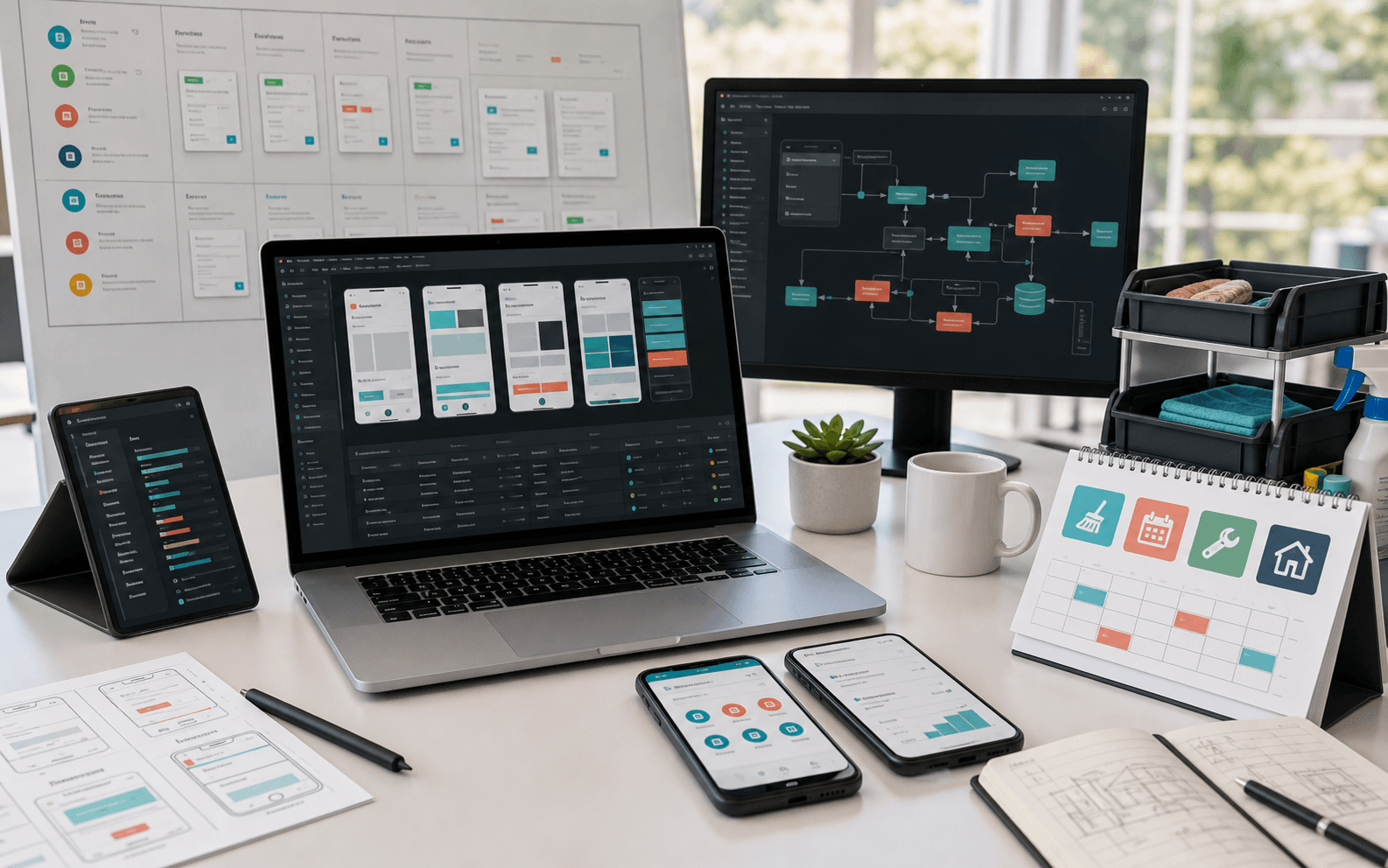
Software product engineering desk with app wireframes, product planning, and household operations concepts
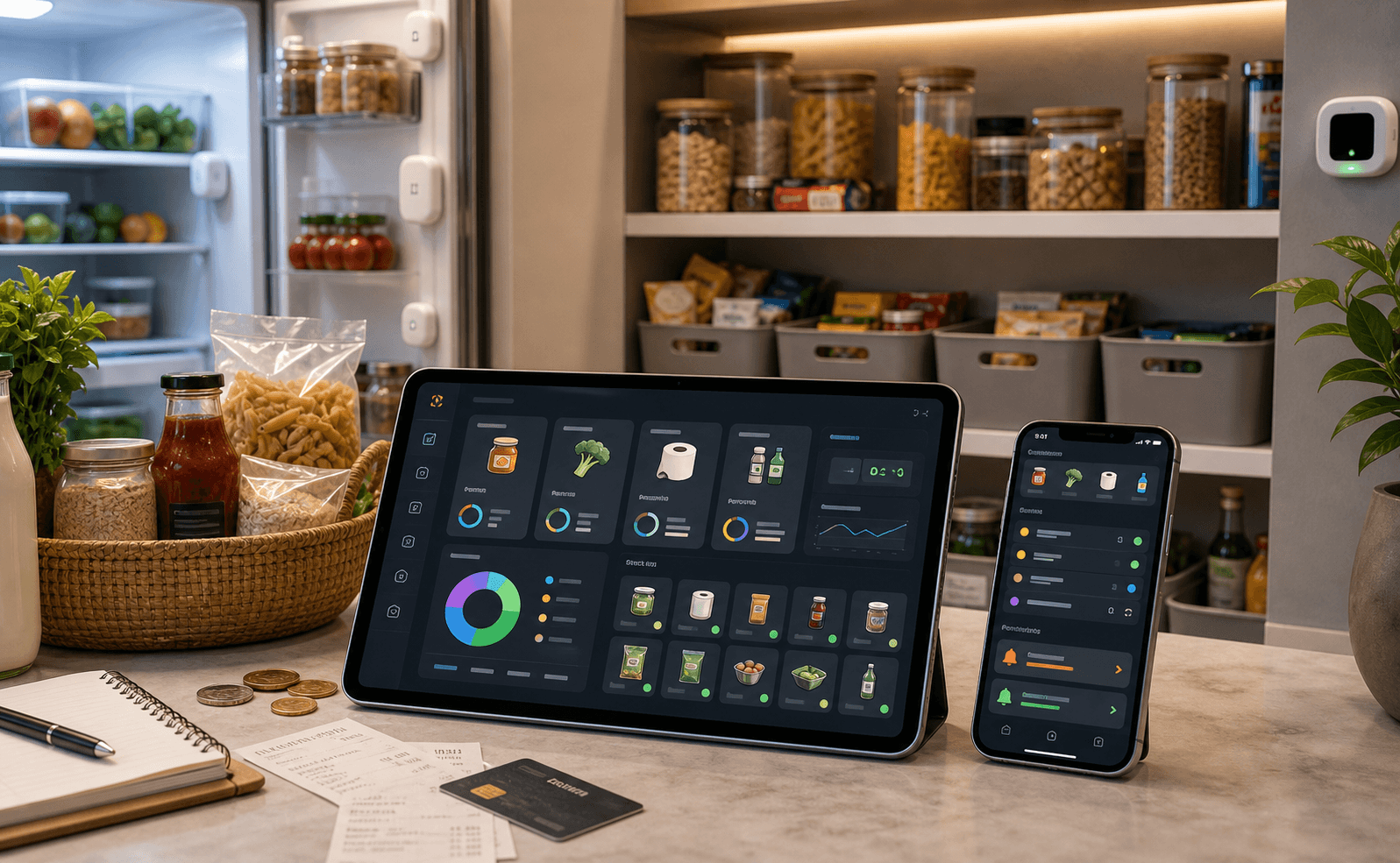
Household inventory product interface with pantry stock tracking, fridge-linked routines, reminders, usage, and expense visibility

Software Products

Home Inventory

Day-2-Day is a household inventory idea for tracking stock, usage, reminders, expenses, and fridge-linked routines.

Household stocks

Household stocks come from repeated small annoyances: duplicate purchases, forgotten supplies, expired items, and not knowing what is already at home while shopping.

Usage tracking

Usage tracking turns household consumption into patterns: what runs out quickly, what is bought but not used, and what should be reordered before it becomes urgent.

Expense visibility

Expense visibility connects daily items with monthly spend so groceries, utilities, subscriptions, repairs, and recurring household needs stop feeling invisible.

Reminder flows

Reminder flows need restraint. The useful version reminds about expiry, restock, cleaning, service, or maintenance only when action is timely and specific.

Fridge automation

Fridge automation can track reminders, expiry, grocery planning, and temperature alerts without pretending every item needs a complex database.

Local service provider operations app with customer records, visit scheduling, payments, service history, and field work tools

Software Products

Entre

Entre is an app concept for local service providers who need lightweight customer, visit, payment, and work tracking.

Local providers

Local providers often run on calls, chats, notebooks, and memory. Entre is shaped around making that work trackable without forcing a heavy enterprise workflow.

Customer records

Customer records keep names, addresses, preferences, service history, dues, and context in one place so repeated local work does not depend on memory.

Visit scheduling

Visit scheduling handles the messy part of local services: slots, delays, repeat visits, reminders, travel time, and quick rescheduling.

Payments

Payments need simple status: paid, pending, partial, mode, date, and follow-up. The value is reducing awkward calls and missed collections.

Service history

Service history builds trust over time because provider and customer can see what was done, when, what failed again, and what should be replaced next.