Caravan Build

Changing our geography changes our internal landscape. The first-priority bucket-list dream: designing and building a personal caravan around slow travel, mobile comfort, power, water, storage, and self-sufficient systems.

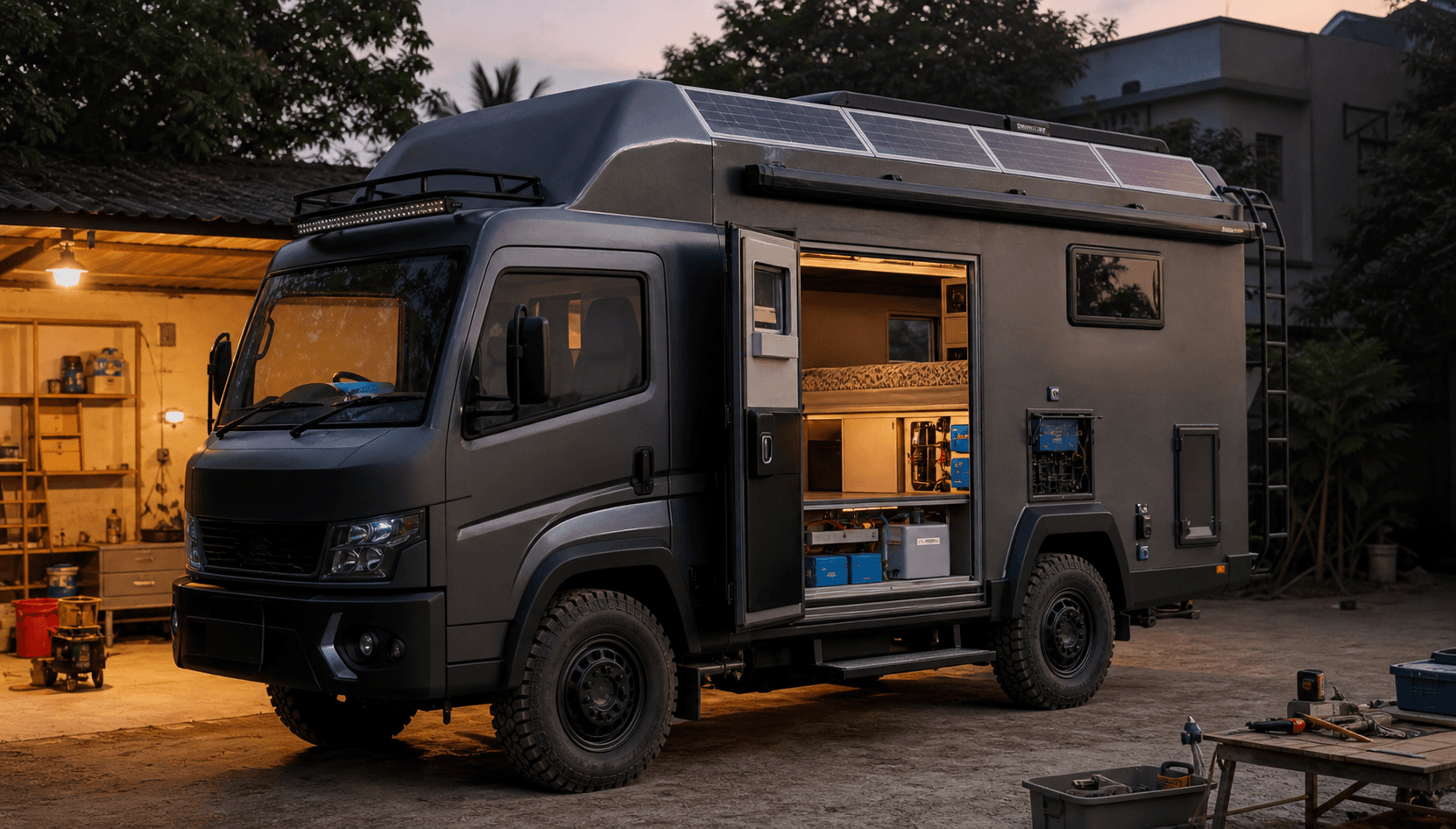
Unbranded Indian commercial van or medium-duty truck based caravan build with solar panels, open side door, modular interior, power system, and workshop tools
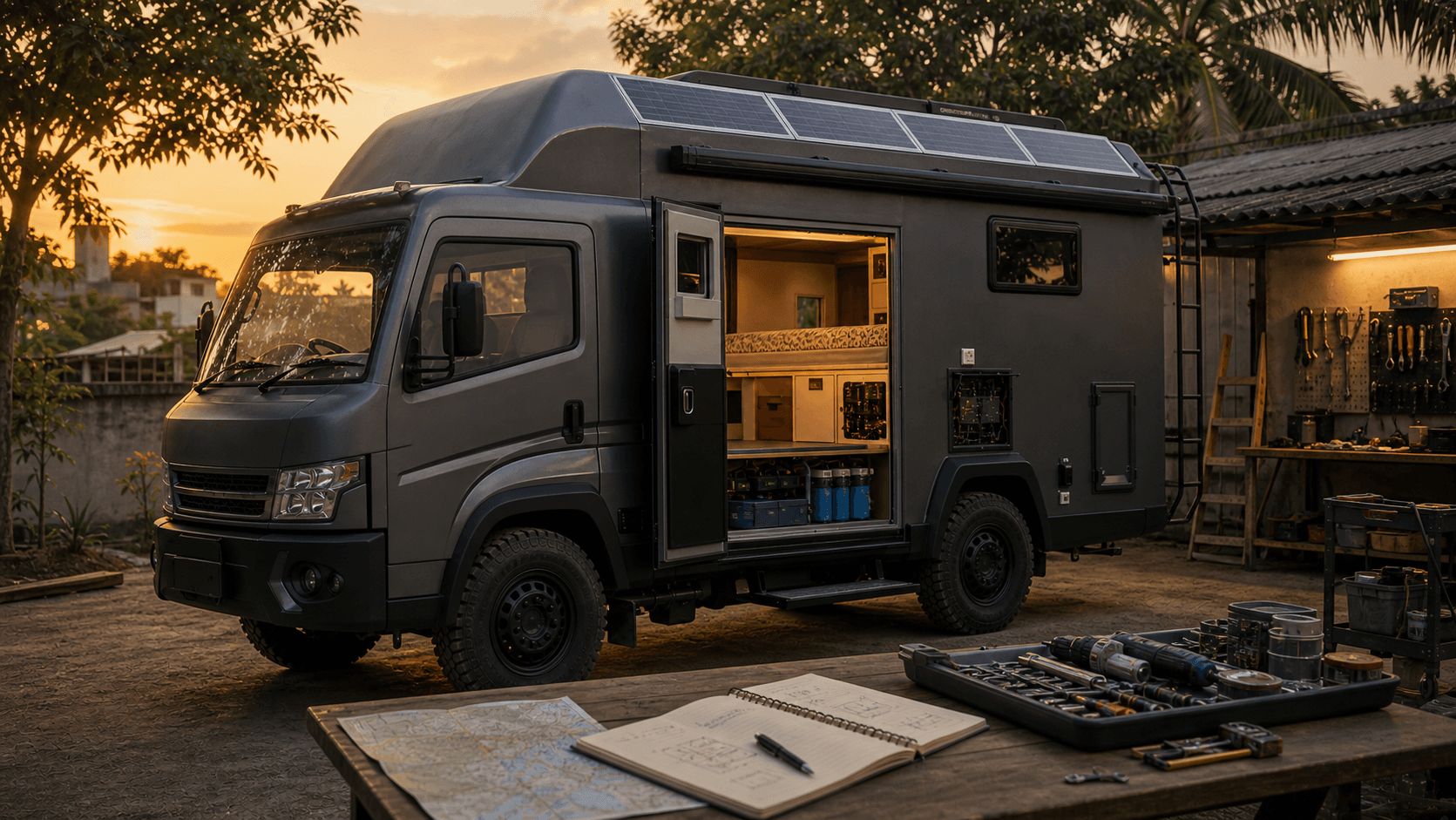
Unbranded Indian van or truck based caravan concept parked near a home workshop with travel planning notes and tools

Bucket List

Why Caravan First

The caravan sits at the intersection of many things that already matter here: systems, independence, comfort, travel, power, water, storage, repairability, and the dream of carrying a small intelligent living environment on the road.

It is not only a travel object. It is a mobile home systems project. A good caravan has to answer practical questions about sleep, cooking, energy, water, ventilation, safety, storage, weather, maintenance, and what kind of life it should make possible.

That is why it belongs in Favorites as a bucket-list priority. It is personal, but it also extends the same systems thinking that shows up in HomeLab, smart living, solar, and daily routines.

  • Primary bucket-list priority: build a personal caravan before treating it as a vague someday dream.
  • Design target: compact, repairable, comfortable, power-aware, water-aware, and suitable for slow travel.
  • Emotional target: freedom without chaos; movement without losing a sense of home.
  • Useful first step: define use cases before choosing vehicle size, layout, or equipment.
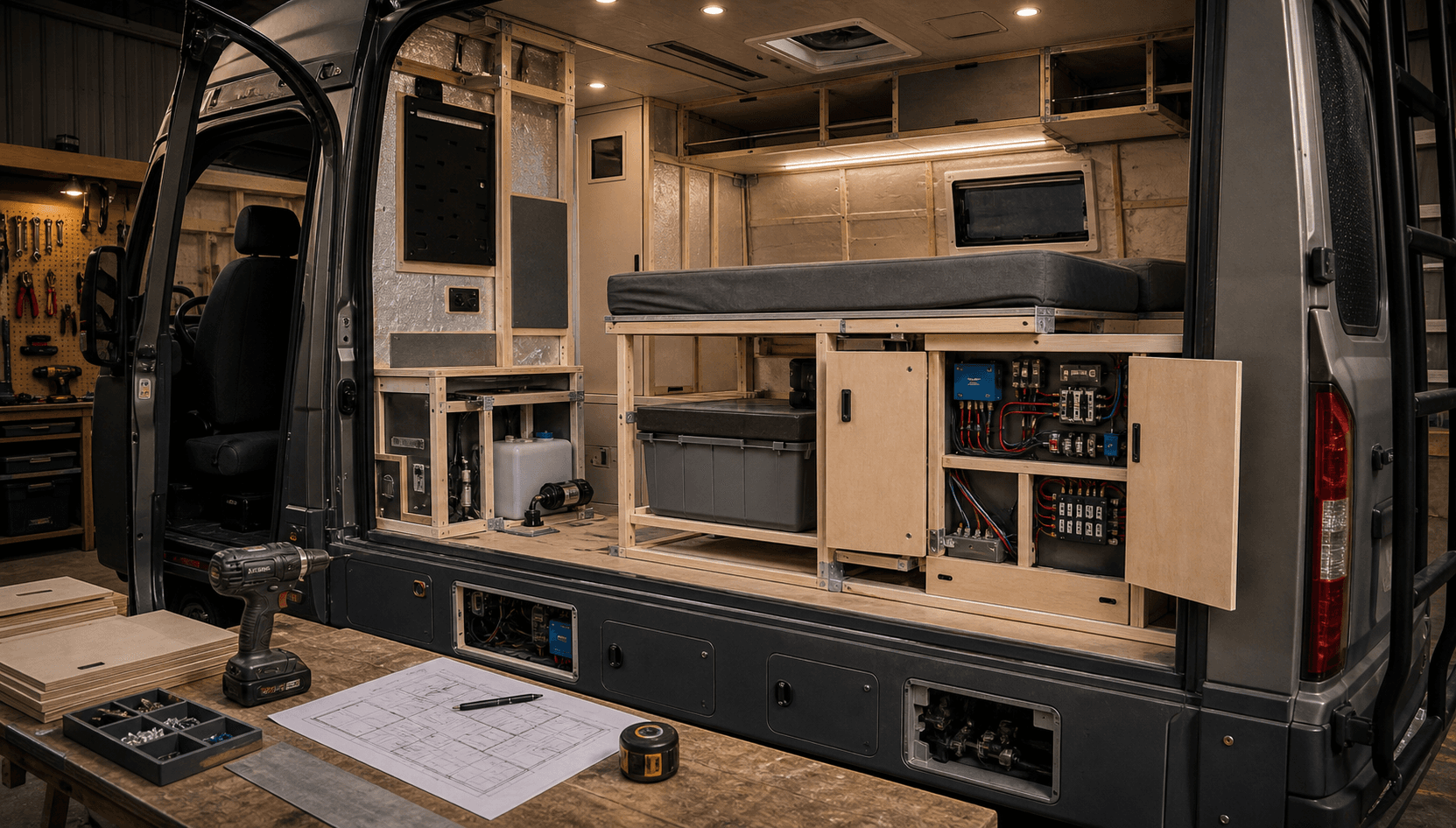
Caravan interior build in progress with modular framing, accessible panels, storage zones, tools, and plans

Bucket List

Build Philosophy

The right caravan build should be practical before it is fancy. The goal is not an overdecorated luxury shell. The goal is a reliable mobile living system that can be maintained, repaired, cleaned, upgraded, and actually used.

The design should start with zones: sleeping, sitting, cooking, storage, electrical, water, tools, and recovery. Each zone needs constraints. How much weight? How easy to access? What fails? What needs ventilation? What needs cleaning? What must be reachable at night?

A good build philosophy also leaves room for iteration. The first version should be solid and usable, with enough modularity for future improvements after real trips expose the truth.

  • Use modular framing and accessible panels instead of hiding every system permanently behind finishes.
  • Prioritize weight balance, ventilation, service access, insulation, and simple cleaning.
  • Design storage around real objects: tools, food, clothes, cables, water, bedding, cooking gear, and spares.
  • Document the build like a system: diagrams, parts, cable paths, fuses, water lines, and maintenance notes.
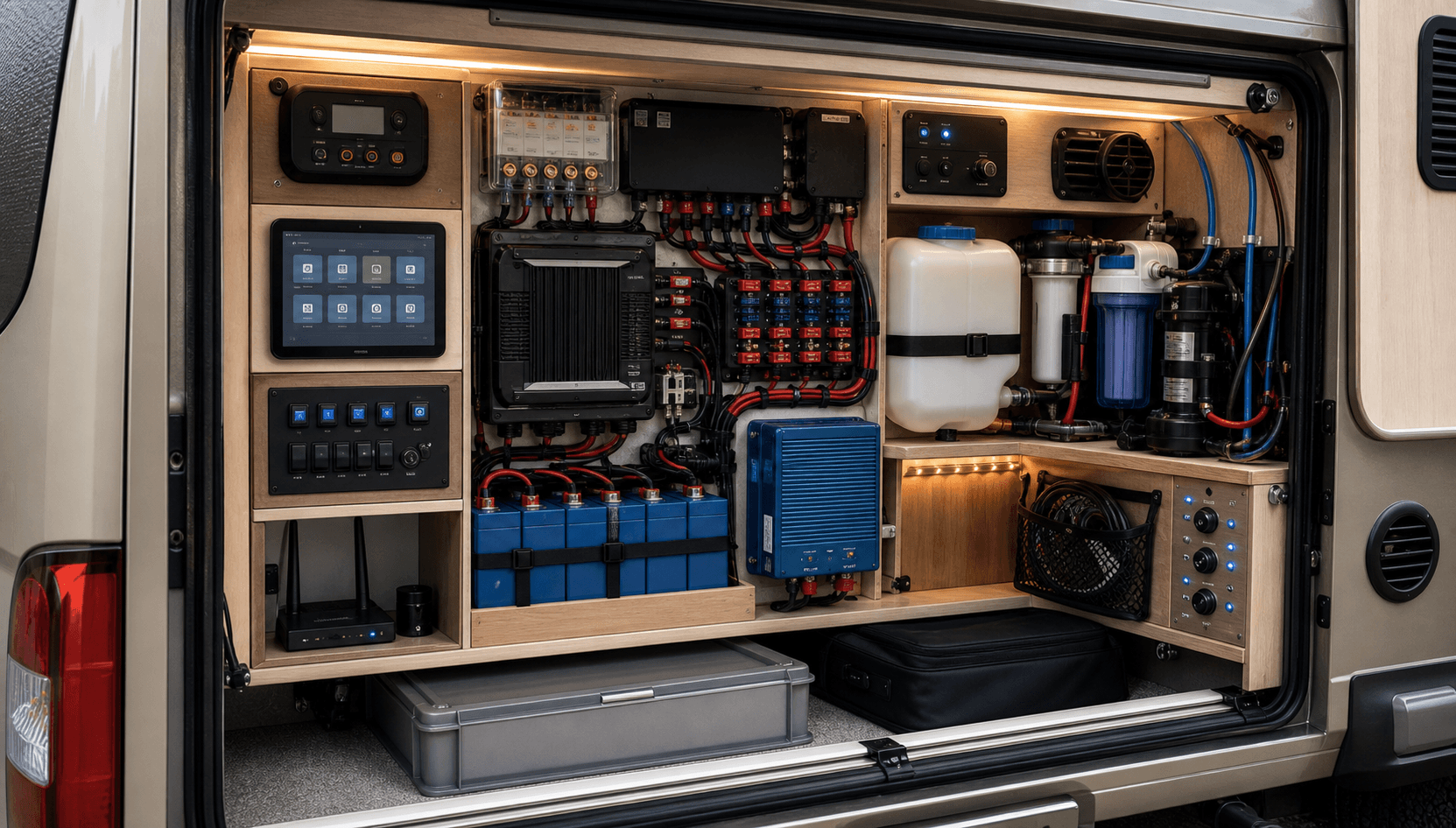
Caravan utility bay with solar controller, battery, inverter, water tank, pump, wiring, and monitoring hardware

Bucket List

Mobile Systems

The caravan becomes interesting when the systems are designed deliberately. Power, water, lighting, cooking, ventilation, connectivity, storage, and monitoring all need to work together without becoming fragile.

Solar and battery planning should be honest about real usage: lights, charging, fridge, fans, router, camera, water pump, induction or cooking choices, and recovery time. Water planning needs the same honesty: fresh water, grey water, filtration, tank access, pump reliability, and cleaning.

The smart version should be local-first and practical. Sensors and dashboards are useful only if they improve decisions: battery level, water level, temperature, humidity, security, and maintenance reminders.

  • Electrical: solar panel, battery bank, inverter where needed, DC distribution, fusing, shore charging, and clear monitoring.
  • Water: fresh tank, grey tank, pump, filtration, service access, and simple drain/cleaning routines.
  • Comfort: ventilation, fans, insulation, lighting scenes, sleeping layout, cooking workflow, and acoustic calm.
  • Monitoring: battery state, water levels, temperature, humidity, security status, and maintenance reminders.
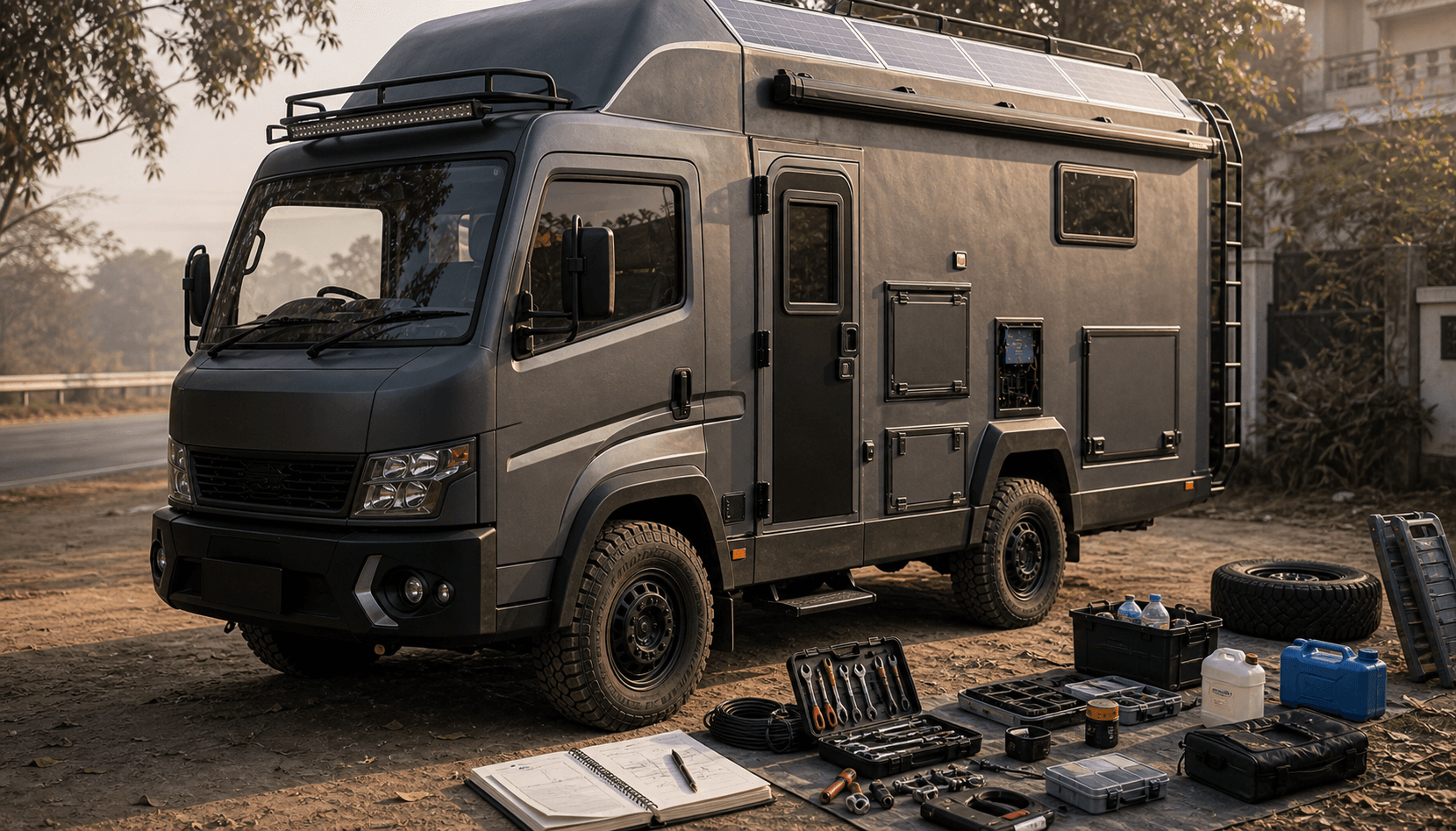
Rugged unbranded caravan on Indian road with tires, lights, roof solar, service hatch, and pre-trip readiness gear

Bucket List

Road Readiness

A caravan is only real when it can leave the driveway. Road readiness means weight, tires, suspension, braking, towing behavior, weather sealing, vibration, storage locks, electrical safety, and the ability to repair small things away from home.

The first trips should be tests, not performances. Short trips reveal what falls, rattles, overheats, leaks, drains too fast, or feels inconvenient. Those lessons are more valuable than trying to perfect everything before movement.

The habit is to treat the caravan like a living system. Every trip produces a maintenance note, a layout note, a comfort note, and one improvement that should happen before the next trip.

  • Pre-trip checklist: tires, hitch, lights, brakes, battery, water, locks, tools, spares, and weather seals.
  • Short shakedown trips before long travel to test rattles, storage, energy use, water flow, and comfort.
  • Carry recovery basics: tools, fuses, tape, spare cables, connectors, pump parts, and documented wiring paths.
  • After-trip review: what worked, what annoyed, what broke, what was unused, and what deserves redesign.