Engineering Systems

Software, hardware, networks, open source stacks, and custom Linux environments designed to work together.
Read moreEngineering leadership, AI-led development, system architecture, and intelligent living systems - designed with structure, speed, and long-term clarity.
Ranveer is a technology leader, systems thinker, and smart living architect helping teams and environments operate with more intelligence.

Over time, Ranveer realized something fundamental: he does not just build software. He builds systems.
Systems that scale, adapt, reduce friction, and make complex decisions easier.
That pattern shows up everywhere in his work and life.
In enterprise platforms, Ranveer designs frontend engineering ecosystems that deliver speed without chaos. At home, he designs intelligent living environments that respond, optimize, and evolve.
The medium changes. The thinking doesn’t.
Ranveer has spent 22+ years building and leading frontend engineering, platform architecture, and digital product systems across complex enterprise environments.
But code is never the end goal.
The goal is to create engineering systems where teams move faster, decisions improve, and complexity becomes manageable.
AI-led development is now accelerating this shift - and most teams need stronger systems before they can use it well.
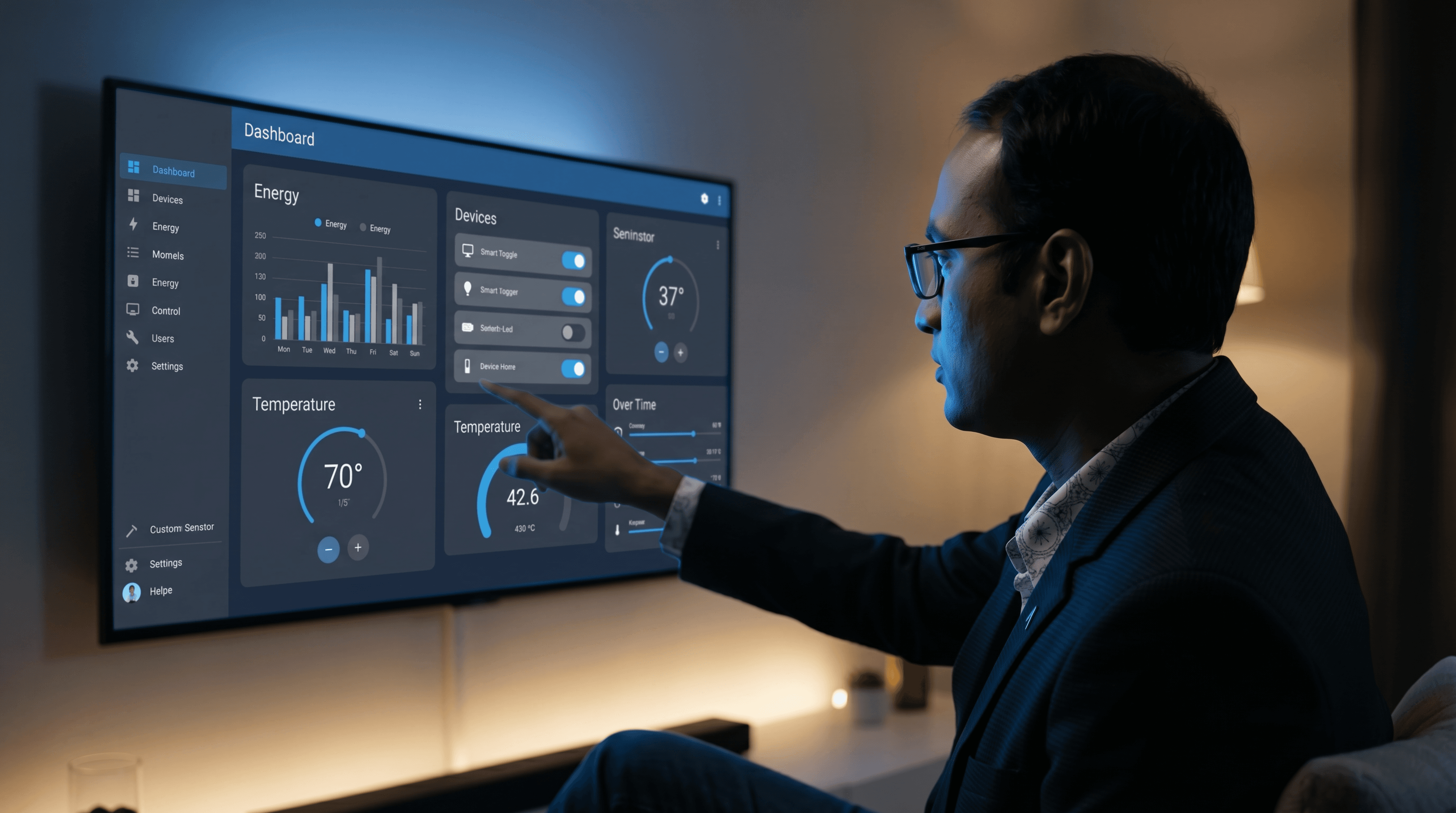
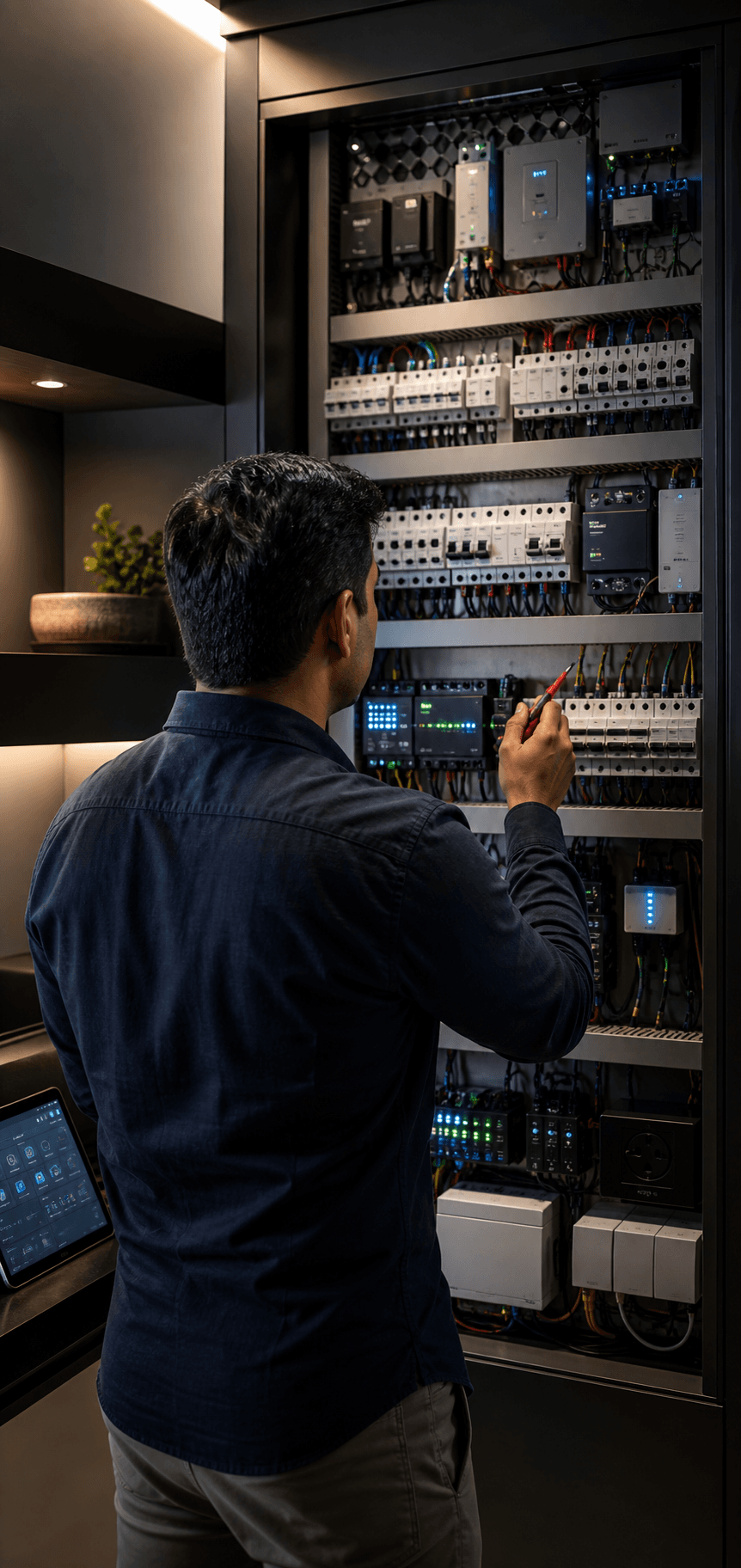
Ranveer designs and builds smart living environments - deeply integrated, automated, and continuously evolving.
Water systems. Energy flows. Sensors. Decision logic.
This is not hobby automation. This is applied systems engineering - at a human scale.
The future of living is not convenience. It is intelligence.
Most engineering teams don’t fail due to lack of talent. They fail due to lack of systems.
AI will not replace engineers. It will expose weak ones.
Speed without structure creates chaos. Structure without speed kills relevance.
Smart homes today are toys. The real opportunity is self-sustained, thinking environments.
Learning is not optional in engineering leadership. It is survival.

Software, hardware, networks, open source stacks, and custom Linux environments designed to work together.
Read more
Driving measurable productivity through AI-assisted engineering workflows, governance, and team enablement.
Read more
Connecting constraints, dependencies, failure modes, and feedback loops into practical engineering decisions.
Read more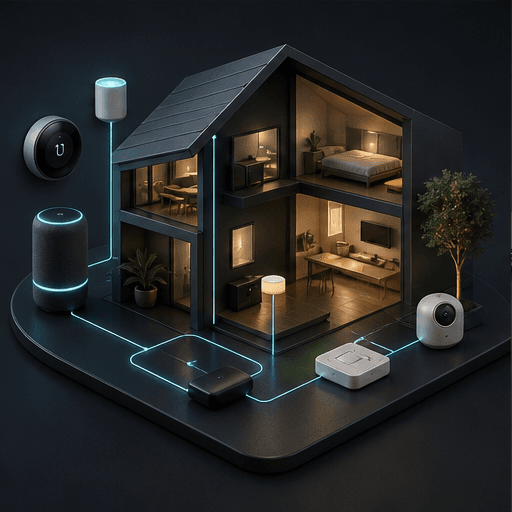
Building deeply automated, self-optimizing smart home and intelligent living environments.
Read more
Documentation, monitoring, setup discipline, and team habits that make systems maintainable after launch.
Read more
Home infrastructure, self-hosting, automation boards, sensors, networks, and practical experiments.
Read moreApplied Thinking

Selected System
Ranveer designed and implemented an AI-assisted development ecosystem that improved frontend engineering velocity by ~18% across teams.
This was not a tool adoption exercise - it was a system-level intervention.
Integrated AI into real workflows: code generation, review cycles, debugging, and decision support - while enforcing engineering standards to prevent quality degradation.
The outcome was measurable: faster delivery, improved consistency, and reduced cognitive load on engineers.
Key Signals
Intelligent Home Automation Architecture
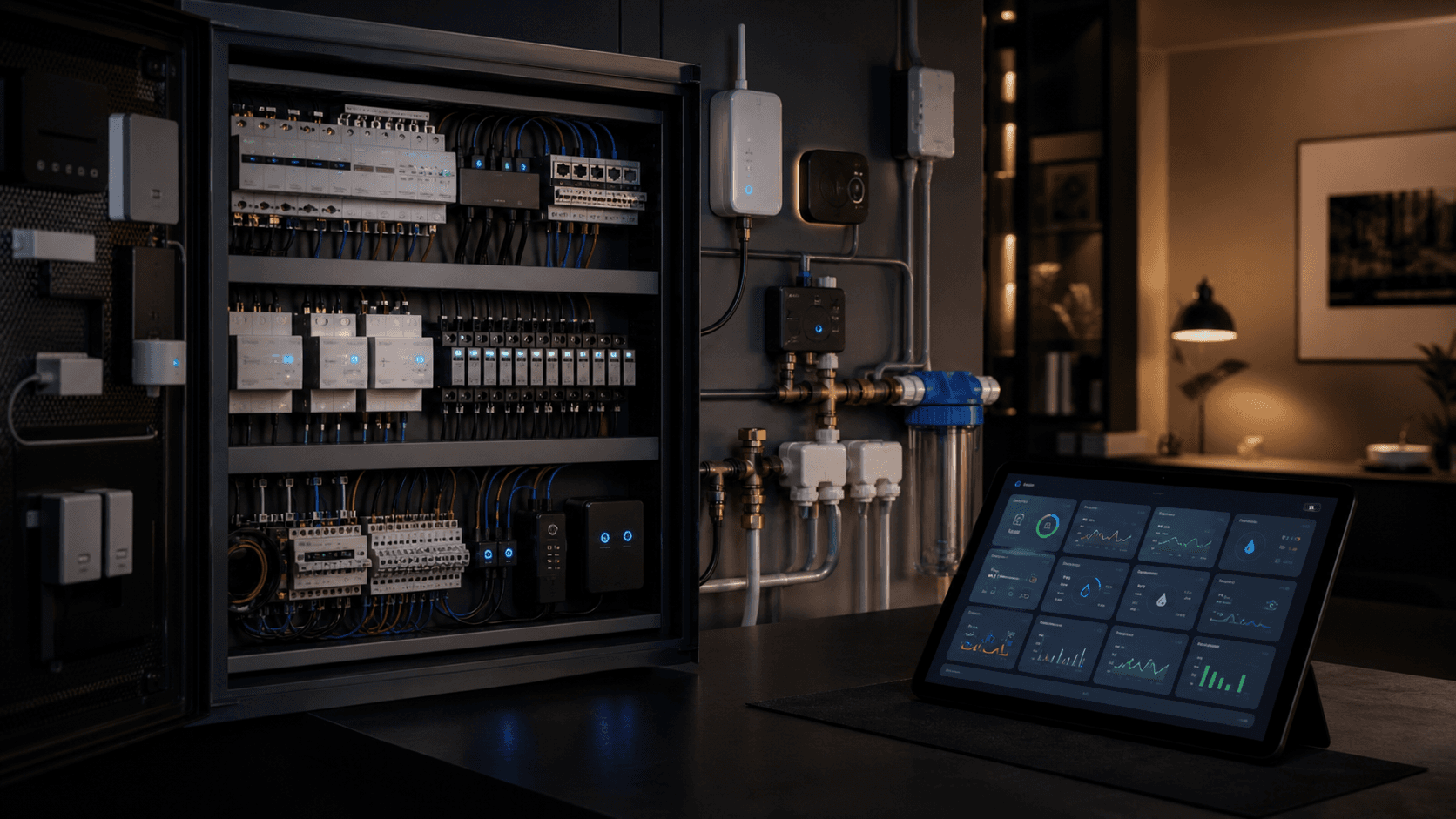
Ranveer designed and built a deeply integrated home automation system combining IoT sensors, control systems, and logic orchestration to manage real-world resources - water, energy, and environment.
Includes custom-built components (ESP32-based systems), automation flows, and centralized orchestration via Home Assistant.
This is not consumer-grade automation - it is applied systems engineering at a human scale, focused on efficiency, reliability, and long-term sustainability.
Key Signals
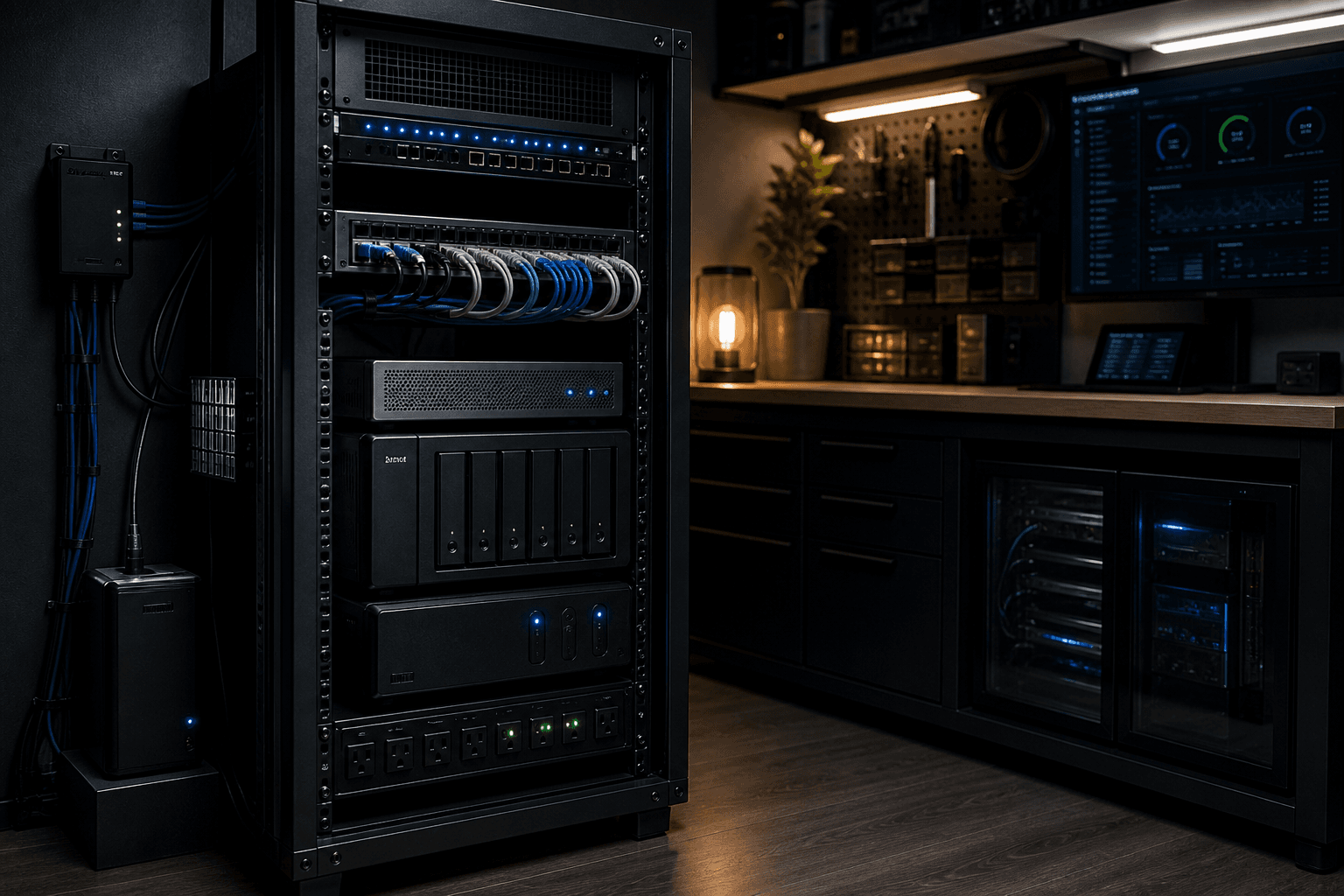
HomeLab Server Expertise
Ranveer has built and refined low-cost HomeLab server setups that turn infrastructure theory into practical, working systems.
His approach favors significant capability without unnecessary spend: SBC-based stacks and clusters, repurposed hardware, spare Raspberry Pis, compact nodes, and efficient networked services working together.
The value is not expensive hardware - it is designing resilient, observable, and useful systems from accessible components, then applying them to self-hosting, automation, backups, monitoring, and real-world experiments.
Key Signals
Latest Posts

शायरी
एक उर्दू शेर - अपनी फ़तहों और शिकस्तों के बीच जीते इंसान के भीतर के तज़ाद (अंतर्विरोध) पर, जहाँ सबसे कठिन जंग किसी दुश्मन से नहीं, अपने ही दिल से होती है।
→ Read More
Frontend Architecture
A concrete roadmap for senior frontend engineers making the transition from React developer to frontend architect: skills, practice tasks, portfolio artifacts, interview preparation, and a 30/60/90 day plan.
→ Read More
Frontend Architecture
Knowing React is valuable. But in senior frontend roles, it is no longer enough to stand out. The differentiator has moved from components to systems, from features to architecture, from code output to engineering judgment.
→ Read MorePersonal Layer
Ranveer is a father of two - learning that the most complex systems are not technical.
He is deeply drawn to cinema - for entertainment, structure, storytelling, and perspective.
Travel, for Ranveer, is not escape. It’s recalibration.
And then there’s Snowy - Ranveer’s Siberian Husky - who constantly breaks every system he designs, reminding him that not everything is meant to be optimized.
That tension - between control and chaos - is where most real learning happens.