Systems
Building complete systems, not parts.
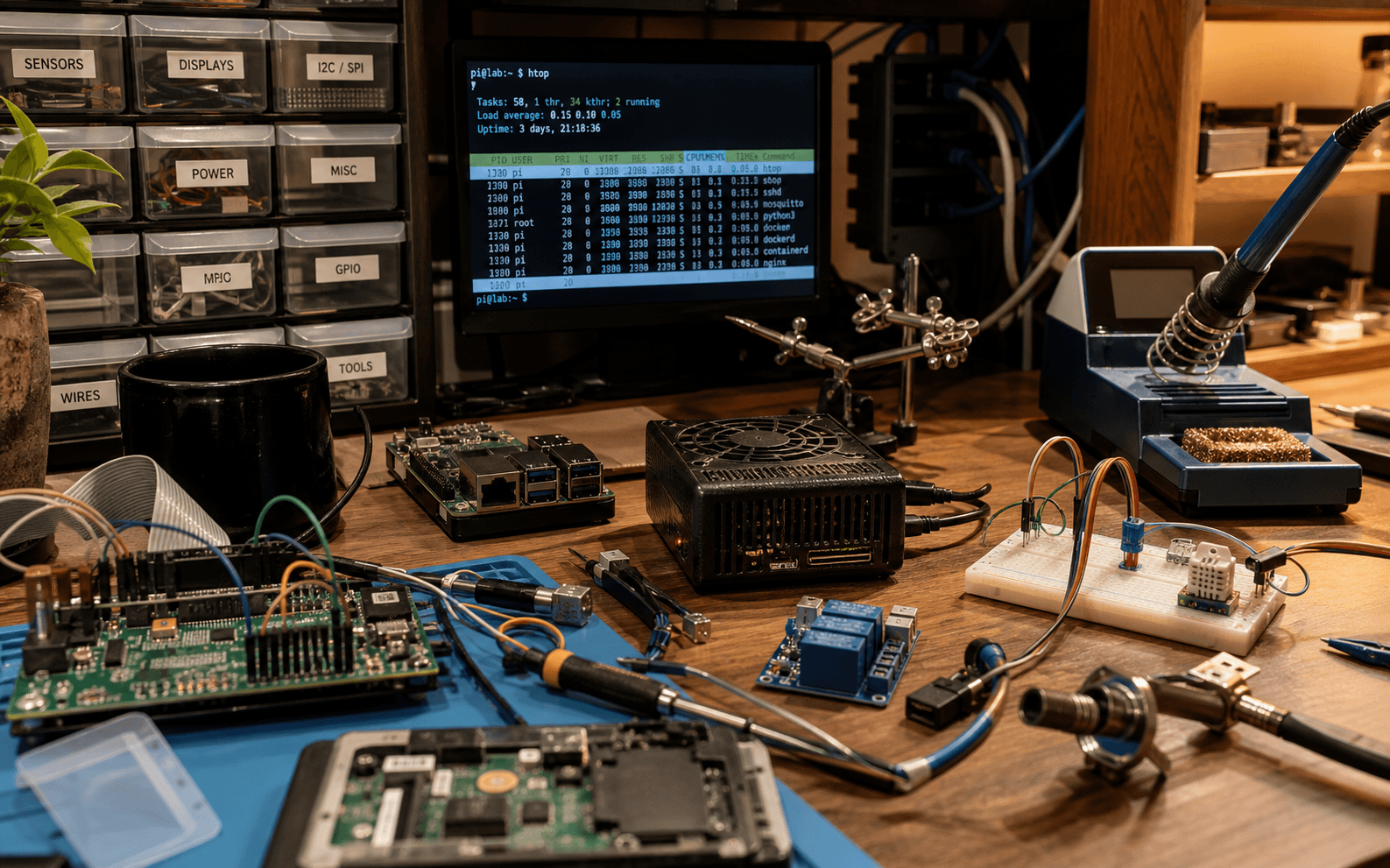
This page is the umbrella for Ranveer’s hands-on engineering world: software, hardware, networks, automation, self-hosted infrastructure, open source tools, AI-assisted development, and custom Linux-based builds. It shows how those pieces connect into useful systems that can be built, operated, repaired, and improved over time.
How Ranveer Builds
Connect the whole stack.
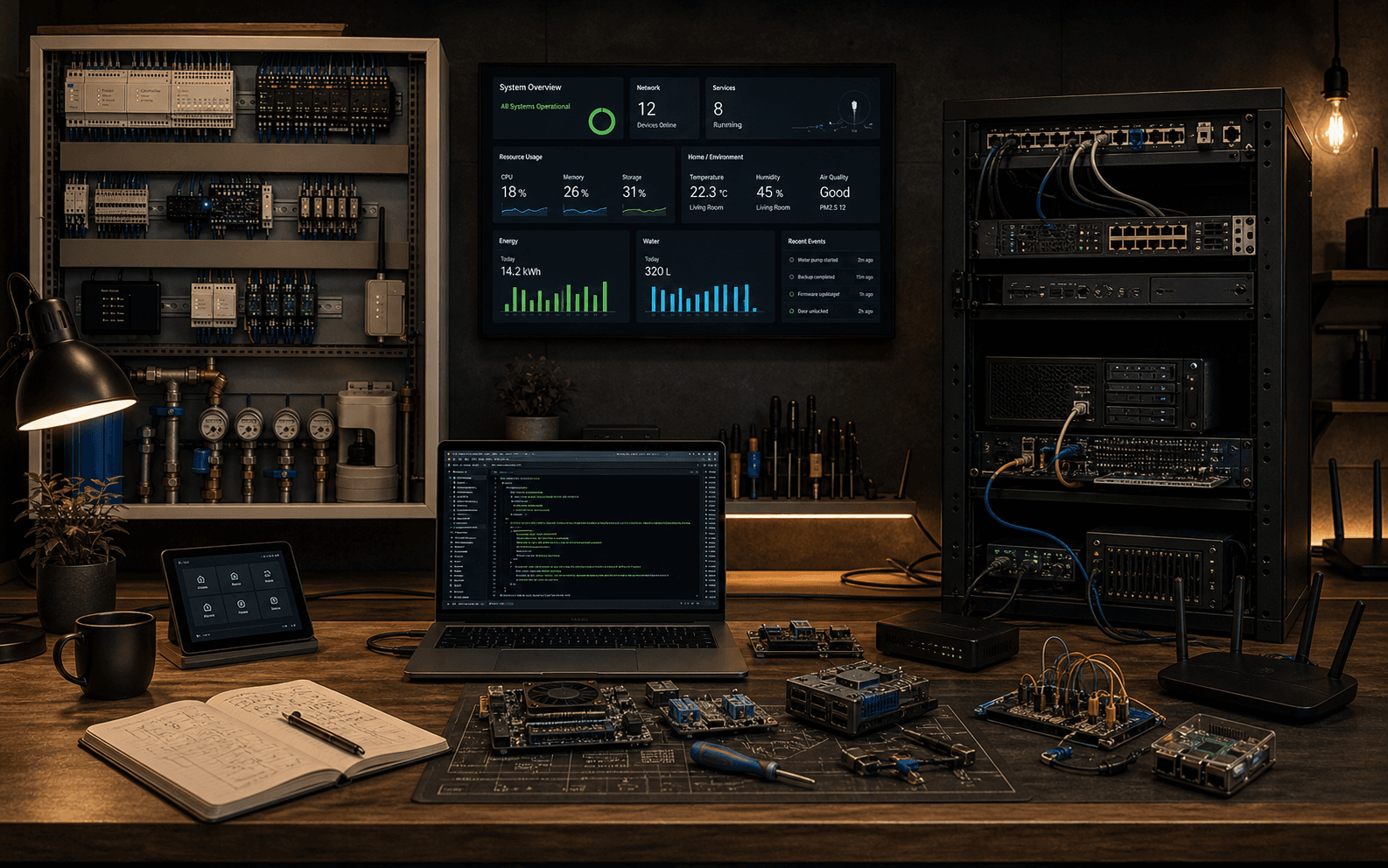
Build the full stack when the full stack matters: hardware, software, network, data, power, and people.
Prefer open, inspectable, repairable technology where it gives more control and longer life.
Use AI to speed up engineering, but keep architecture, testing, security, and judgment explicit.
Design for failure, observability, maintenance, and everyday use, not just the first successful demo.
Engineering Systems
Hardware, software, networks, and operating environments designed as one system.
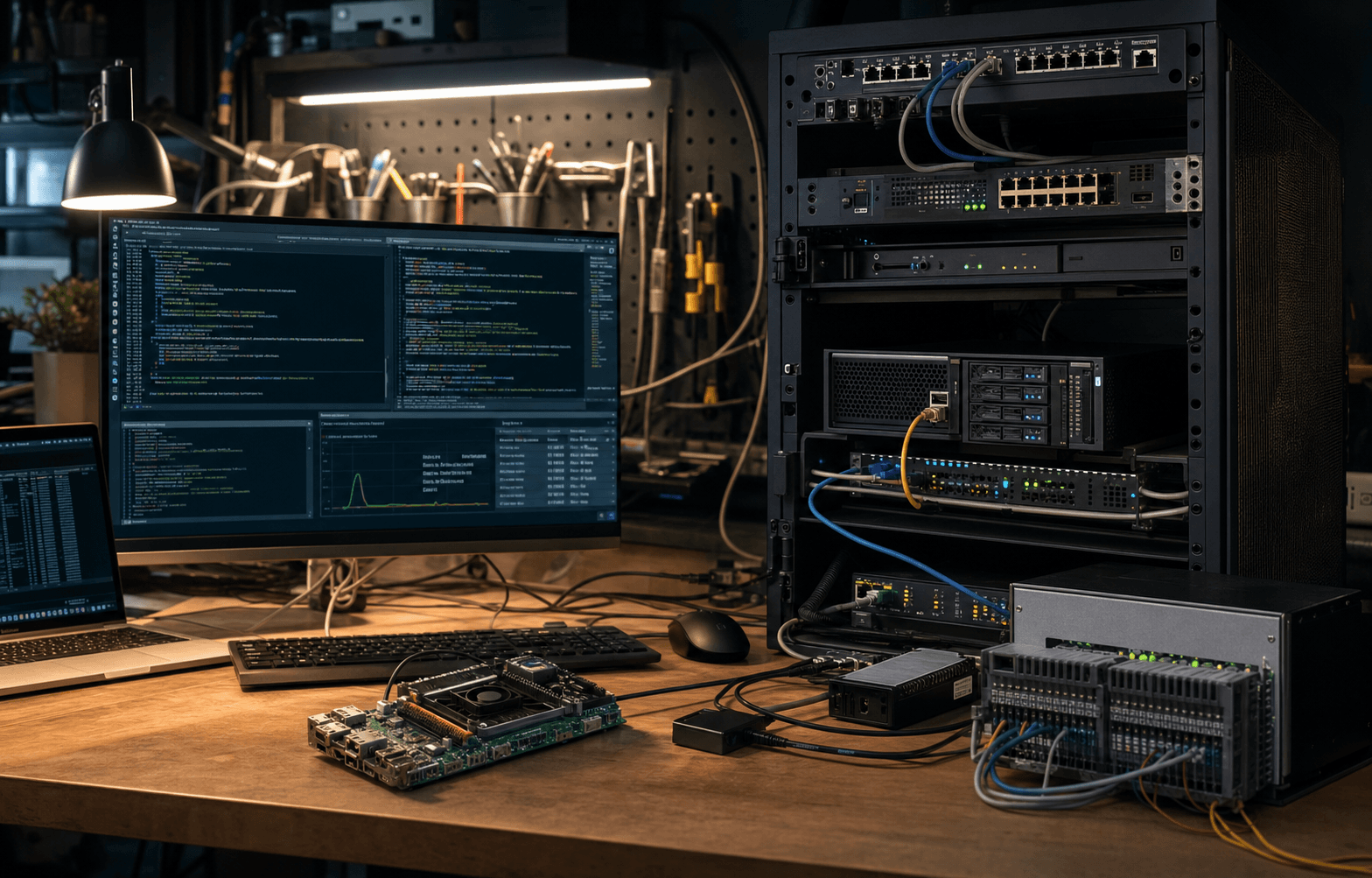
This is the build side of Ranveer’s work: software architecture, hardware choices, network design, automation controllers, self-hosted services, open source hardware, open source software, and custom Linux-based operating environments.
The point is not to collect tools. It is to make many technical parts work together reliably, observably, and economically, whether the system lives in a product team, a home lab, or a real physical environment.
AI-Led Development
AI adoption that is measured, governed, and useful.
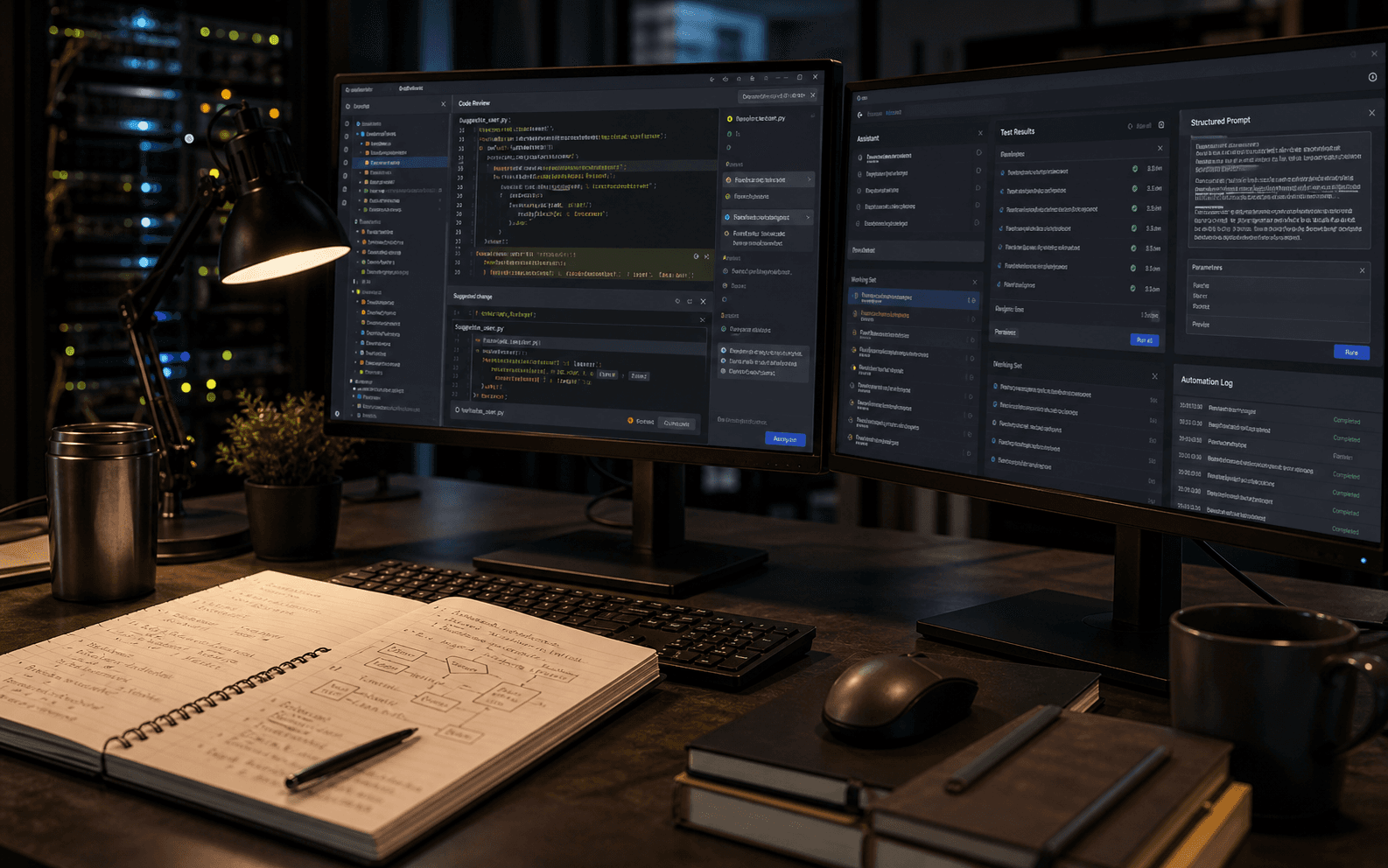
AI only creates durable engineering value when it is placed inside real workflows with clear standards for quality, review, security, and maintainability.
Ranveer focuses on practical acceleration: code generation, debugging, refactoring, documentation, and decision support that improve output without weakening judgment.
Systems Thinking
A practical way to connect parts, constraints, and outcomes.
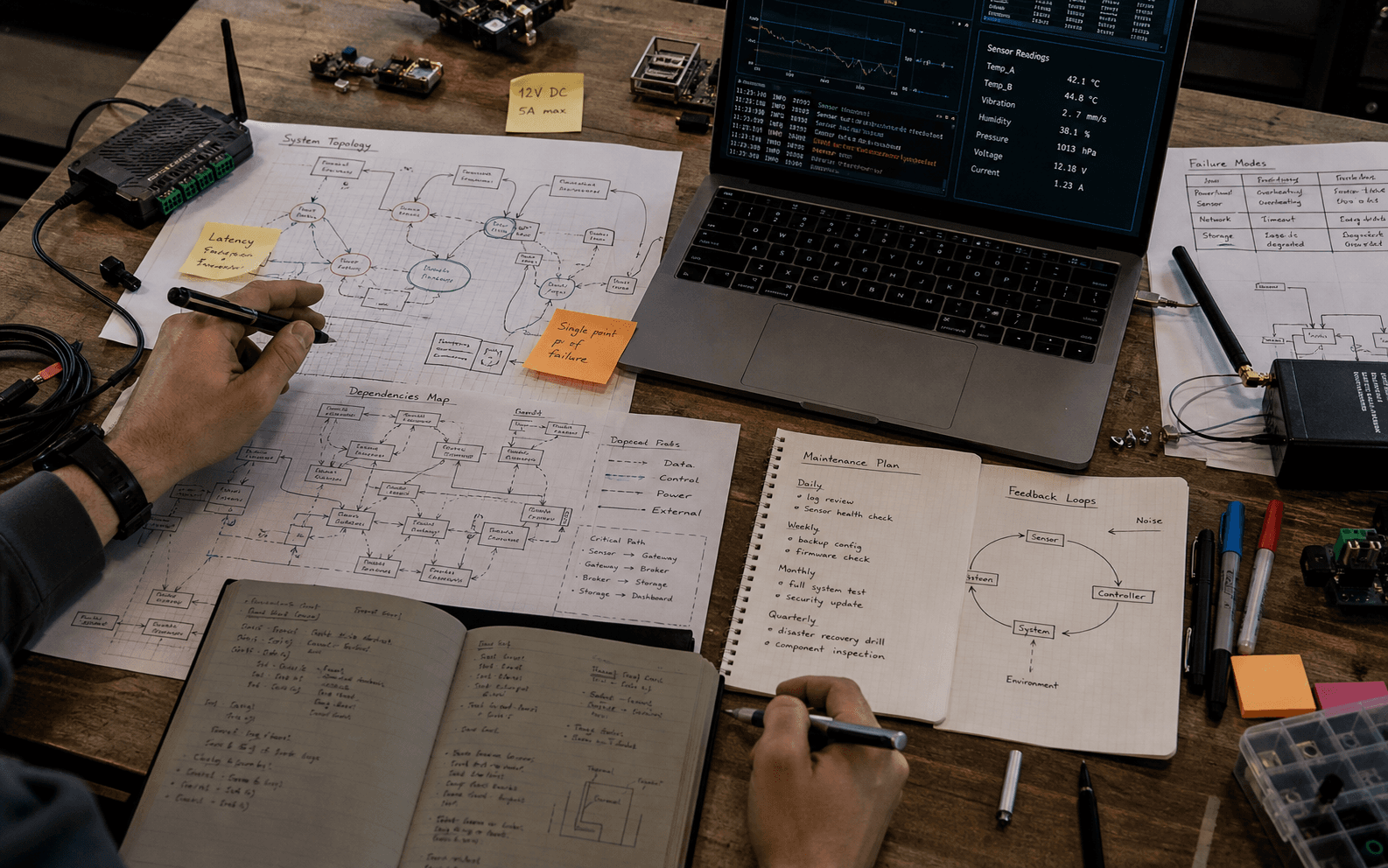
Systems thinking is the method behind the builds. It looks at inputs, dependencies, failure modes, feedback loops, cost, maintainability, and the human routines around the technology.
That lens helps Ranveer decide what to automate, what to simplify, what to keep local, what to open source, and where custom engineering is worth the effort.
Intelligent Living
Real-world automation built like production systems.
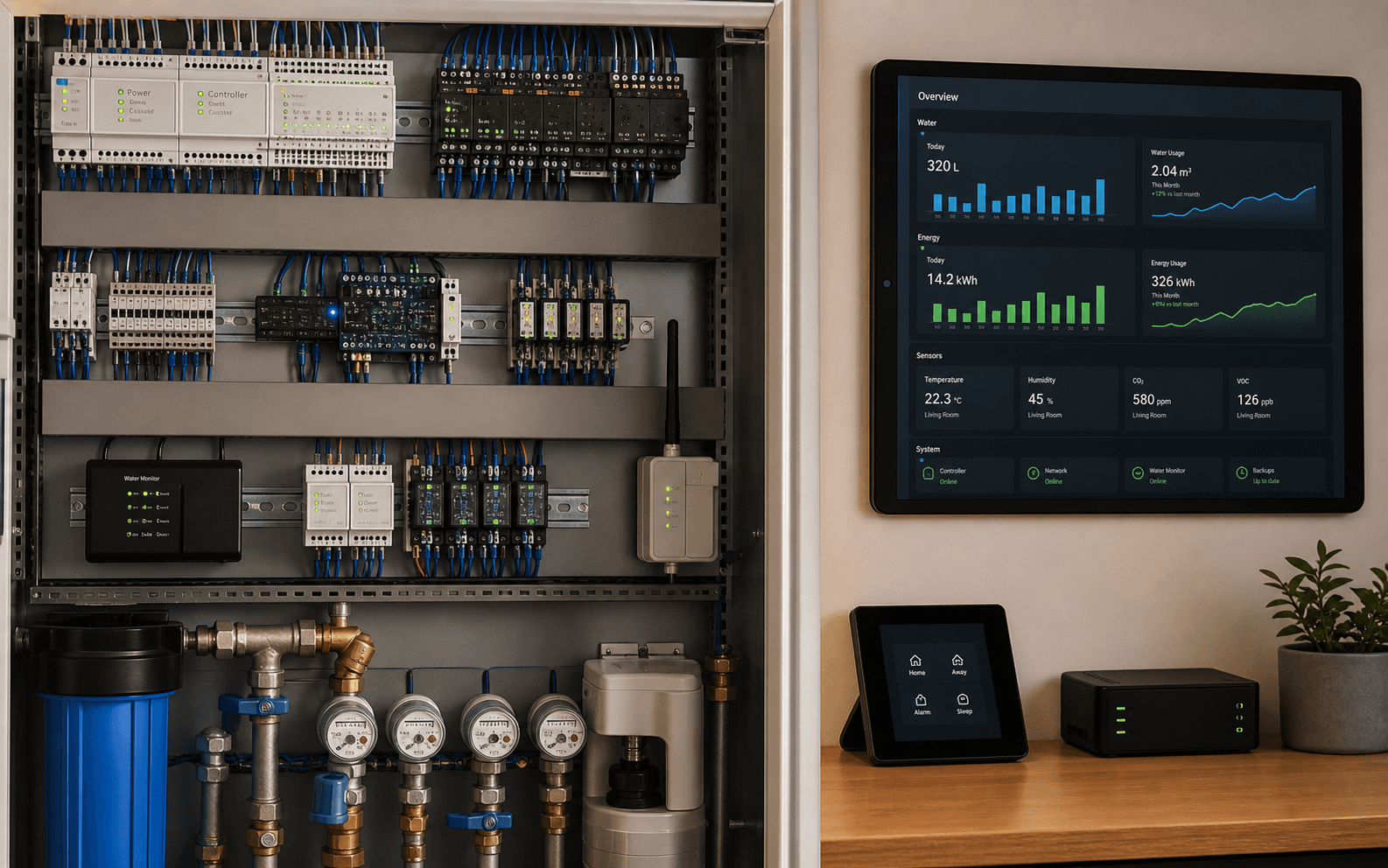
Ranveer applies the same systems lens to home automation: water, energy, sensors, local infrastructure, dashboards, and control logic working as one living environment.
This is not novelty automation. It is a practical testbed for resilience, observability, graceful failure, and long-term self-optimization.
Capability Building
A system is only successful when it can be operated.
Ranveer’s systems work includes the boring-but-critical parts: documentation, naming, backups, monitoring, repeatable setup, upgrade paths, recovery plans, and clear tradeoffs. Whether the system is a product platform, a local network, a Linux image, or a smart living environment, it should be understandable after the excitement of the first build has faded.
Exploration
Real-world builds keep the thinking honest.
Home infrastructure, self-hosting, open source hardware, automation boards, sensors, networks, and Linux experiments all feed Ranveer’s engineering judgment. Physical systems reveal constraints that pure software can hide: heat, power, latency, wiring, cost, repairability, and what happens when something fails at the worst time.