Systems
Parts नहीं, complete systems बनाना।
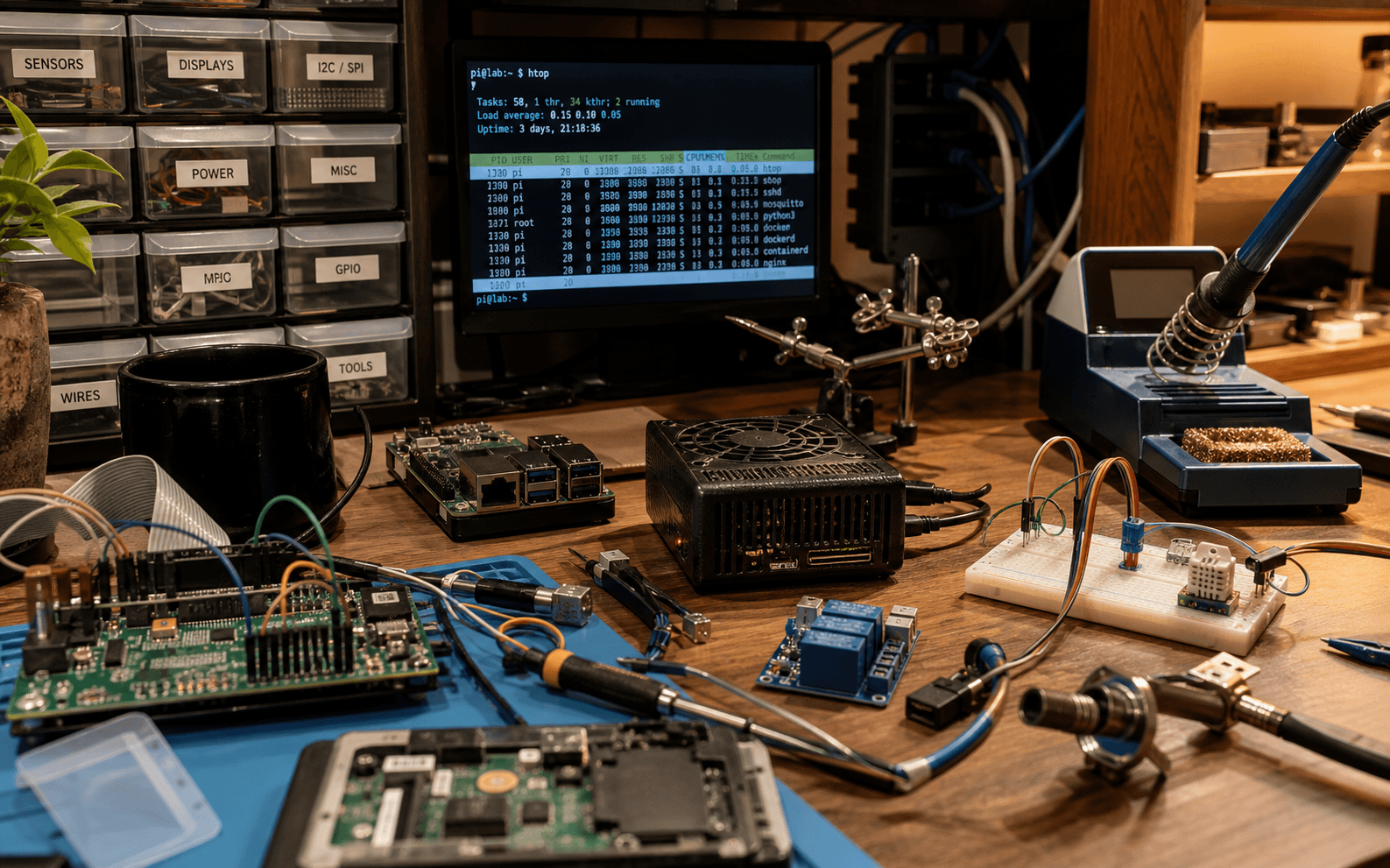
यह page रणवीर की hands-on engineering world का umbrella है: software, hardware, networks, automation, self-hosted infrastructure, open source tools, AI-assisted development और custom Linux-based builds। यह दिखाता है कि ये pieces useful systems में कैसे जुड़ते हैं जिन्हें बनाया, चलाया, repair किया और समय के साथ improve किया जा सके।
रणवीर कैसे बनाते हैं
पूरे stack को जोड़ना।
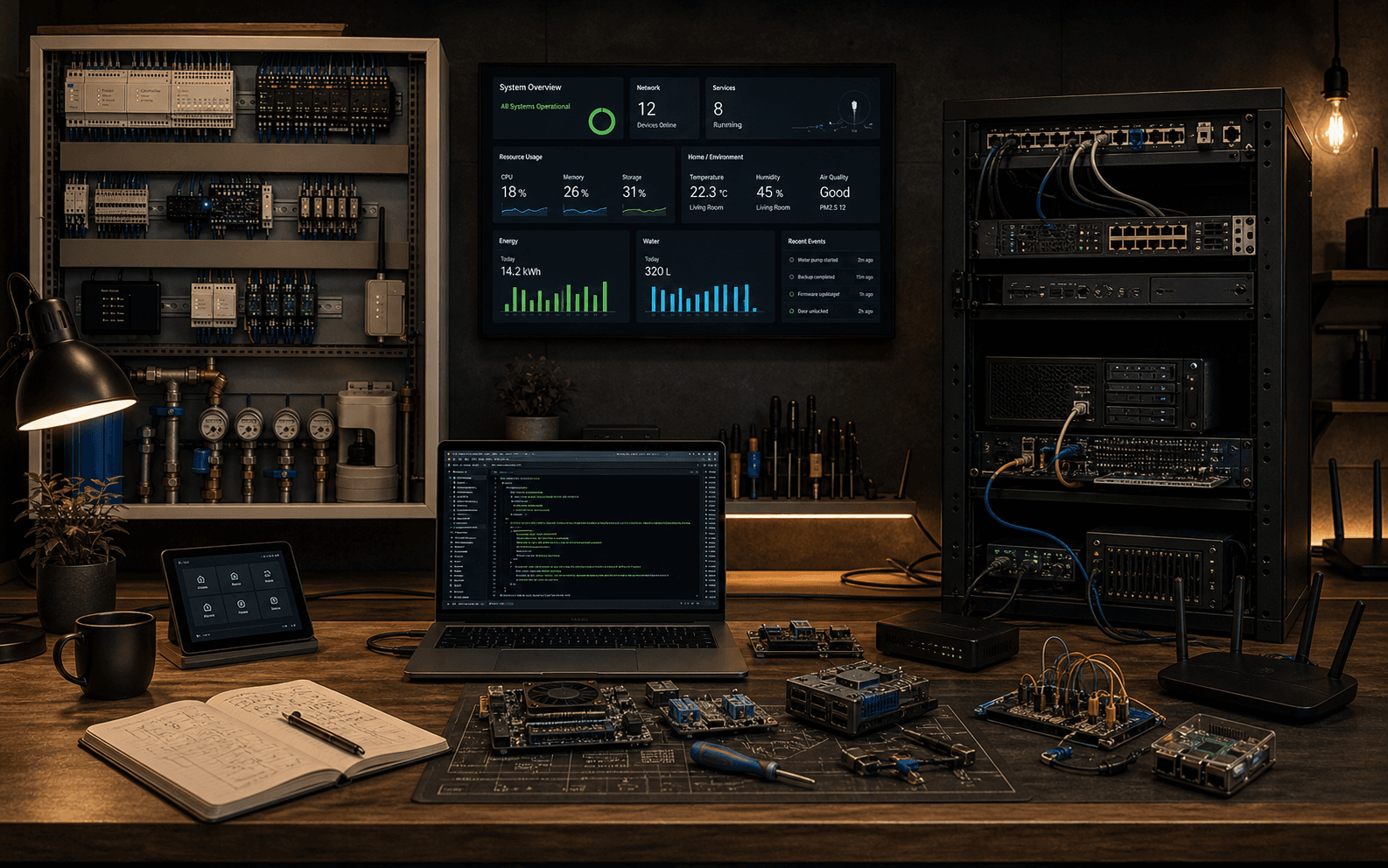
जहाँ full stack matter करता है, वहाँ hardware, software, network, data, power और people को साथ में बनाना।
जहाँ ज़्यादा control और longer life मिले, वहाँ open, inspectable और repairable technology को preference देना।
AI से engineering speed बढ़ाना, लेकिन architecture, testing, security और judgment को explicit रखना।
पहले successful demo से आगे जाकर failure, observability, maintenance और everyday use के लिए design करना।
Engineering Systems
Hardware, software, networks और operating environments को एक system की तरह design करना।
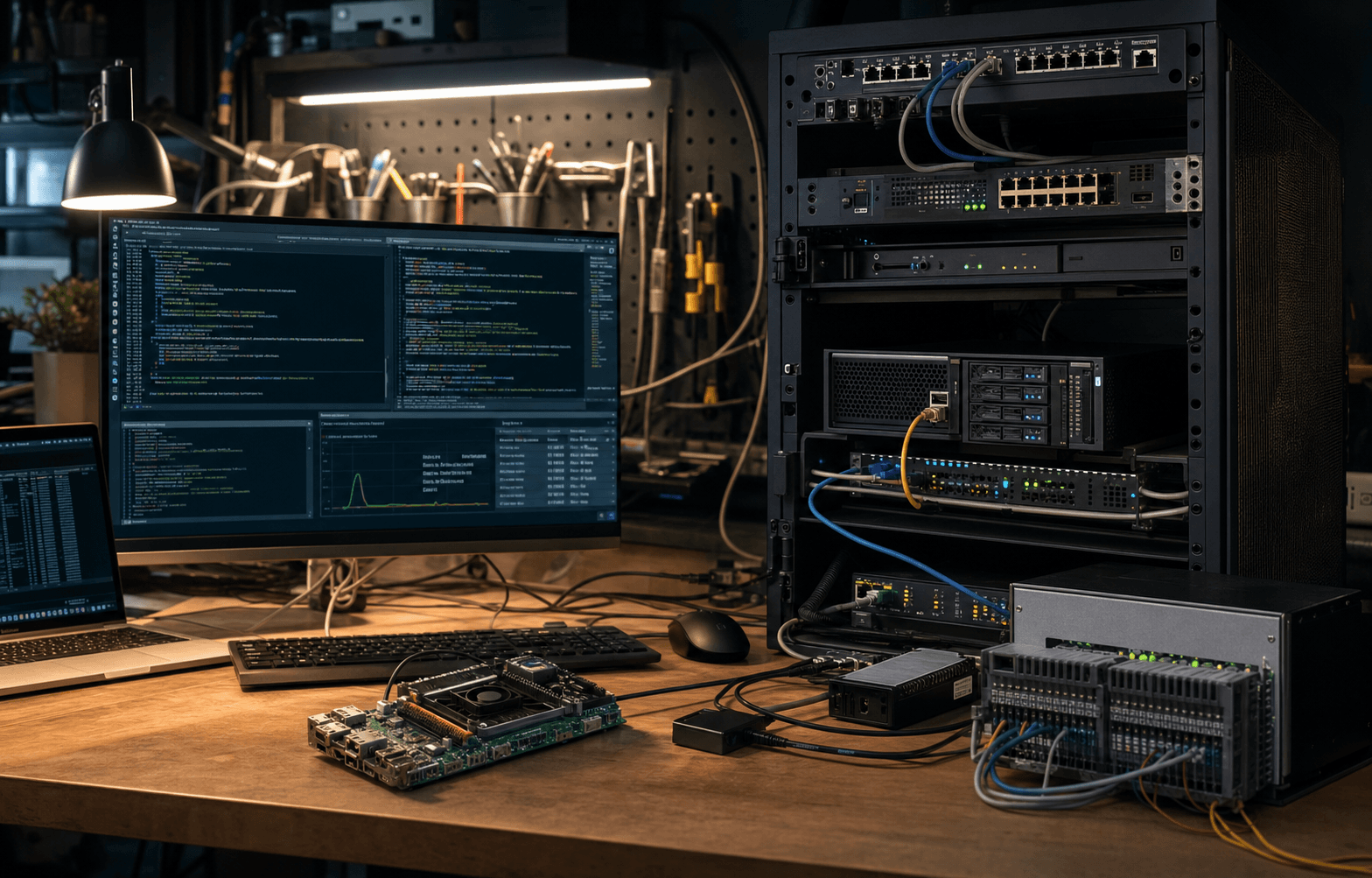
यह रणवीर के काम का build side है: software architecture, hardware choices, network design, automation controllers, self-hosted services, open source hardware/software और custom Linux-based operating environments।
मकसद tools collect करना नहीं है। मकसद कई technical parts को reliably, observably और economically साथ काम कराना है, चाहे system product team में हो, home lab में या real physical environment में।
AI-Led Development
AI adoption जो measured, governed और useful हो।
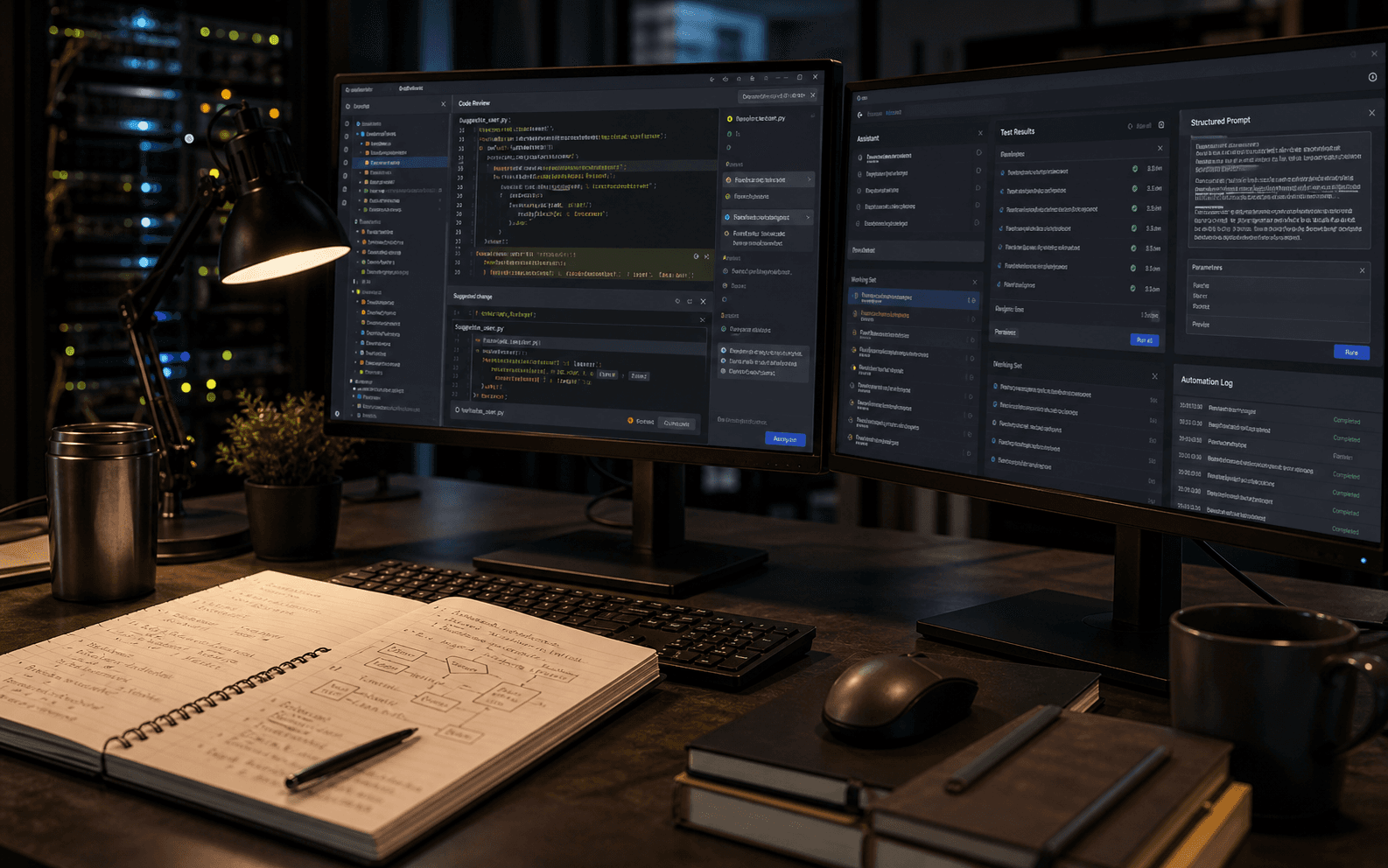
AI durable engineering value तभी बनाता है जब वह real workflows में quality, review, security और maintainability के clear standards के साथ रखा जाए।
रणवीर practical acceleration पर focus करते हैं: code generation, debugging, refactoring, documentation और decision support, ताकि output तेज़ हो पर judgment कमजोर न पड़े।
Systems Thinking
Parts, constraints और outcomes को जोड़ने का practical तरीका।
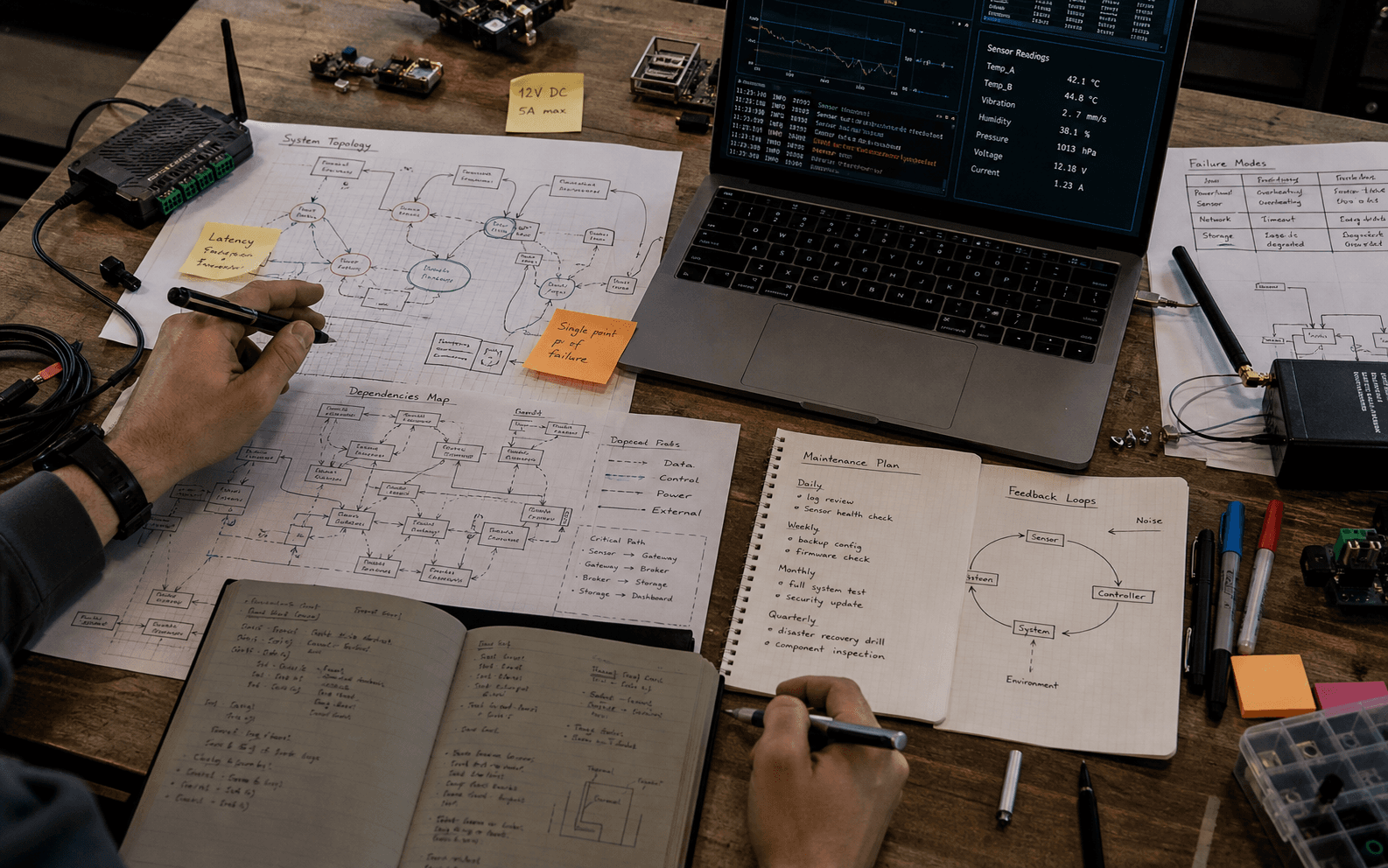
Systems thinking builds के पीछे की method है। यह inputs, dependencies, failure modes, feedback loops, cost, maintainability और technology के आसपास human routines को देखती है।
यही lens रणवीर को decide करने में मदद करता है कि क्या automate करना है, क्या simplify करना है, क्या local रखना है, क्या open source करना है और custom engineering कहाँ worth है।
Intelligent Living
Real-world automation को production systems की तरह बनाना।
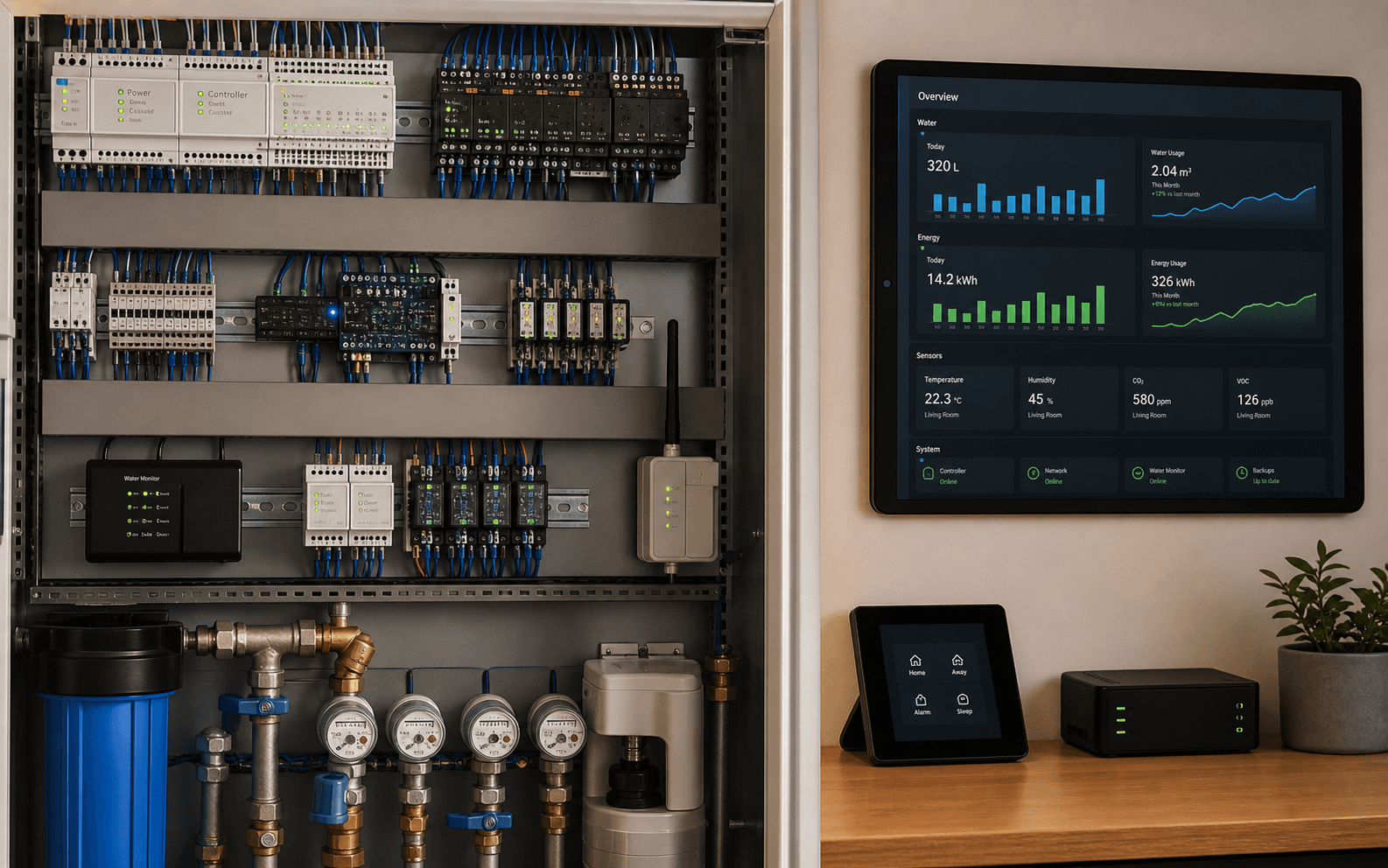
रणवीर वही systems lens home automation पर apply करते हैं: water, energy, sensors, local infrastructure, dashboards और control logic एक living environment की तरह काम करते हैं।
यह novelty automation नहीं है। यह resilience, observability, graceful failure और long-term self-optimization के लिए practical testbed है।
Capability Building
System तभी सफल है जब उसे चलाया जा सके।
रणवीर के systems work में boring-but-critical parts शामिल हैं: documentation, naming, backups, monitoring, repeatable setup, upgrade paths, recovery plans और clear tradeoffs। चाहे system product platform हो, local network, Linux image या smart living environment, first build का excitement खत्म होने के बाद भी उसे समझा जा सकना चाहिए।
Exploration
Real-world builds सोच को honest रखते हैं।
Home infrastructure, self-hosting, open source hardware, automation boards, sensors, networks और Linux experiments रणवीर के engineering judgment को feed करते हैं। Physical systems वे constraints दिखाते हैं जिन्हें pure software छिपा सकता है: heat, power, latency, wiring, cost, repairability और worst time पर failure।